Coffee Shop Trends 2027: What the Data Says for the Philippines
Six trends that will shape your cup in 2027, from bean prices to how you pay, with the numbers behind each one and what it means for cafés in the Philippines.
In this story · 10 sections
- 2027 at a glance
- Coffee prices are cooling, but not back to normal
- The world will grow and drink more coffee than ever
- The Philippines drinks far more coffee than it grows
- Cashless is now the default
- Iced and espresso drinks keep growing
- Climate and new rules put pressure on supply
- What this means for cafés in the Philippines
- How we put this together
- FAQ
Short answer: In 2027, coffee prices should stay below their 2025 record but well above pre-2024 levels, the Philippines will keep drinking far more coffee than it grows, and paying by e-wallet or card is now the default. Iced and espresso-based drinks keep gaining ground, while weather and new EU rules are the biggest risks to prices.
This guide pulls together the latest figures from the International Coffee Organization (ICO), the US Department of Agriculture (USDA), the World Bank and the Bangko Sentral ng Pilipinas (BSP), current as of November 2026. We update it every year.
2027 at a glance
1Coffee prices are cooling, but not back to normal
After two years of record highs, the price of green coffee is finally easing. The ICO’s composite price hit an all-time monthly high of 354.32 US cents per pound in February 2025, according to the ICO’s February 2025 market report. By October 2026 it had fallen to 261.26 cents, about 26% lower, as Brazil’s record harvest reached the market (ICO, October 2026).
World coffee prices peaked in early 2025
ICO Composite Indicator Price, monthly average, US cents per pound
Source: International Coffee Organization, Coffee Market Reports
See the numbers
| Month | US cents/lb |
|---|---|
| Mar 2023 | 170 |
| Dec 2023 | 176 |
| Jun 2024 | 227 |
| Dec 2024 | 300 |
| Feb 2025 | 354 |
| Jun 2025 | 295 |
| Sep 2025 | 325 |
| Dec 2025 | 305 |
| Mar 2026 | 274 |
| Jun 2026 | 249 |
| Oct 2026 | 261 |
Prices are still higher than they were before the spike. The World Bank’s October 2026 Commodity Markets Outlook expects Arabica to average $7.20 per kg in 2027, down only 2% from 2026 and still about 28% above 2024.
The World Bank expects only a small dip in 2027
Average price, US dollars per kg (f = forecast)
ArabicaRobusta
Source: World Bank, Commodity Markets Outlook, October 2026
See the numbers
| Year | Arabica | Robusta |
|---|---|---|
| 2024 | $5.62 | $4.41 |
| 2025 | $8.47 | $4.86 |
| 2026f | $7.35 | $3.85 |
| 2027f | $7.20 | $3.80 |
What could push prices back up:
- Weather. The ICO’s October 2026 report cites a forecast of an 83% chance of a historic-strength El Niño through early 2027, which can hurt harvests in Asia and South America.
- Low stocks. The World Bank notes that coffee inventories have fallen to a 27-year low, so there’s little buffer if a harvest disappoints.
What it means for you: don’t expect café prices to drop much in 2027. Bean costs are easing, but rent, wages and other costs are not, so most cafés will hold prices rather than cut them.
2The world will grow and drink more coffee than ever
The USDA’s July 2026 world coffee outlook forecasts record global production of 189.7 million 60-kg bags in 2026/27, led by a record Brazilian crop of 71.9 million bags and a record 32.5 million from Vietnam. World consumption is also expected to hit a record 179.7 million bags.
More supply than demand is what’s bringing prices down. After four years of shortfalls, the ICO estimates the 2025/26 coffee year ended with a surplus of about 3 million bags.
3The Philippines drinks far more coffee than it grows
Filipinos are expected to drink about 6.7 million bags of coffee in 2026/27, while local farms produce only about 475,000 bags, roughly 7% of what the country consumes, based on the USDA’s production, supply and distribution data. The rest is imported, mostly as instant coffee.
Filipinos drink about 14 times more coffee than local farms grow
Philippine coffee consumption vs. local production, thousand 60-kg bags, marketing year July–June (f = forecast)
ConsumptionLocal production
Source: USDA Foreign Agricultural Service, PSD database (July 2026). Instant (soluble) coffee makes up about 88% of Philippine coffee imports.
See the numbers
| Marketing year | Consumption | Local production |
|---|---|---|
| 2023/24 | 6,590 | 450 |
| 2024/25 | 6,190 | 450 |
| 2025/26 | 6,525 | 450 |
| 2026/27f | 6,725 | 475 |
Instant coffee dominates: the Philippines is set to import about 5.5 million bags of instant coffee in 2026/27, about 88% of all its coffee imports, according to the USDA’s July 2026 outlook. That leaves plenty of room for brewed and espresso-based coffee to grow. Value chains are already moving into that space: World Coffee Portal reports that Pickup Coffee reached 500 stores in early 2026, with espresso drinks from ₱50.
What it means for you: more choice of real espresso and brewed coffee at every price, and more interest in local coffee shops that offer something chains don’t, like space, food and a place to stay a while.
4Cashless is now the default
Paying with GCash, Maya or a card is no longer the exception. The BSP’s 2025 Report on E-payments Measurement found that 64.7% of retail payments by volume were digital in 2025, up from 57.4% in 2024. For payments to merchants, the share reached 72.1%, up from just 12.7% in 2018.
Two in three retail payments in the Philippines are now digital
Digital share of retail payment transactions (by volume)
Source: Bangko Sentral ng Pilipinas, 2025 Report on E-payments Measurement
See the numbers
| Year | Digital share |
|---|---|
| 2018 | 10% |
| 2019 | 14% |
| 2020 | 20% |
| 2021 | 30% |
| 2022 | 42% |
| 2023 | 53% |
| 2024 | 57% |
| 2025 | 65% |
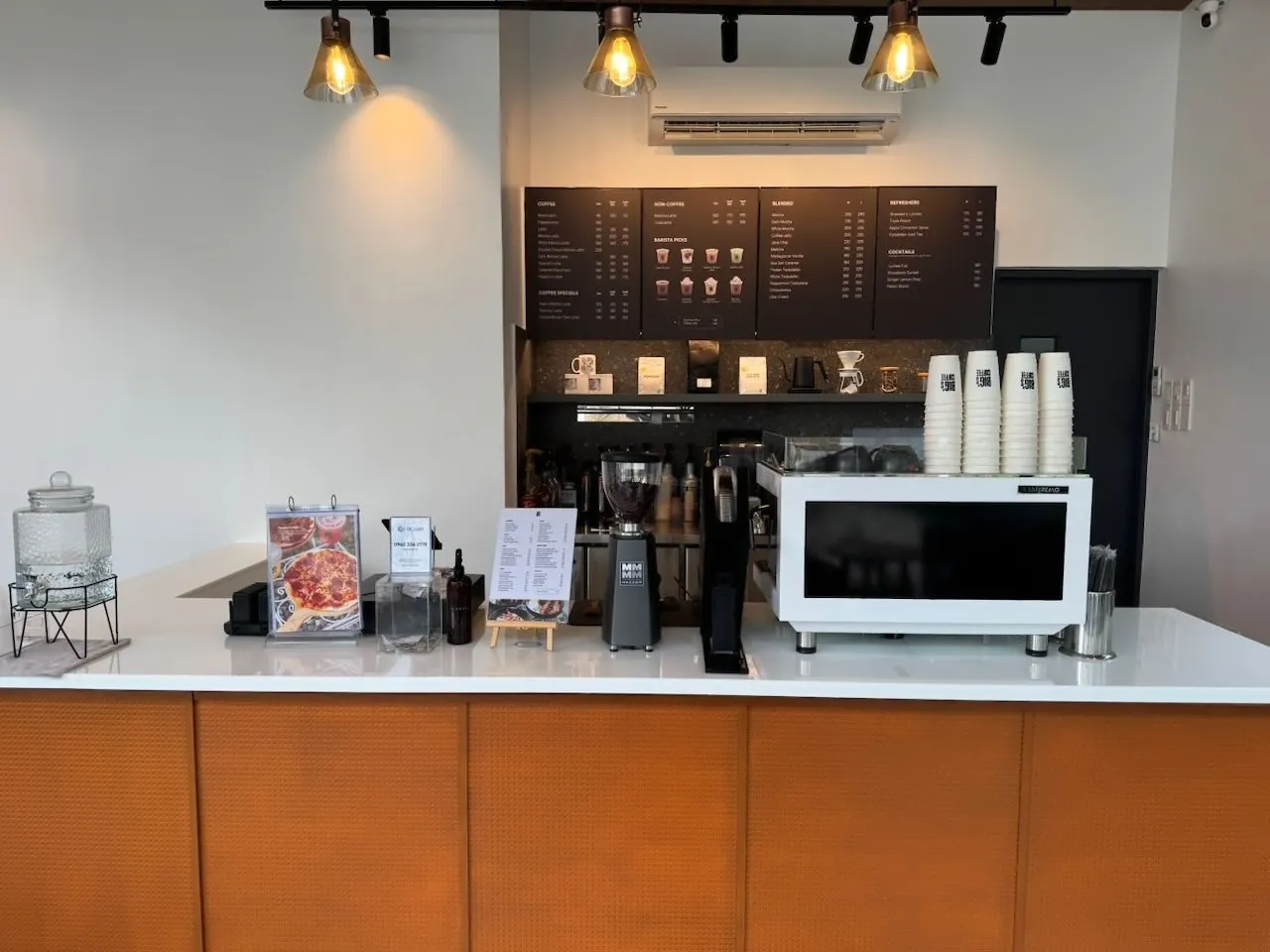
What it means for you: expect every café to take e-wallets and cards. At Big’s, you can pay with cash, GCash or a credit card.
5Iced and espresso drinks keep growing
The most detailed tracking of coffee habits comes from the US, and Filipino café menus tend to follow the same direction. The US National Coffee Association’s Fall 2026 data shows:
- 48% of American adults had a specialty coffee in the past day, a record.
- 47% had an espresso-based drink in the past week, also a record.
- 21% of daily coffee drinkers had cold coffee, up from 16% in 2022.
- 40% of people buying coffee out of the home ordered through an app.
These are US figures, not Philippine ones; no Philippine source publishes comparable data yet. But in a hot country, iced lattes, cold brew and blended drinks already lead most café menus, and the US numbers suggest that’s not slowing down.
What it means for you: more iced options, more espresso-based drinks and more ways to order ahead. At Big’s, four of our five best-selling drinks are iced, led by the Iced Matcha Latte and Iced Spanish Latte (see the full Big’s Coffee menu).
6Climate and new rules put pressure on supply
Coffee is sensitive to heat and drought. A study highlighted by World Coffee Research projects that about half of the land now suitable for Arabica could become unsuitable by 2050.
New trade rules matter too. The EU Deforestation Regulation applies from 30 December 2026 for large and medium companies and from 30 June 2027 for small ones. Coffee sold into the EU must be traceable to land that wasn’t deforested, which adds cost and paperwork for exporters.
What it means for you: longer term, more interest in traceable beans and in growing more coffee locally, including in the Philippines.
What this means for cafés in the Philippines
- Prices: steadier than 2025, but not cheaper. Value will come from what you get with your cup, not a lower price tag.
- Menus: more iced, espresso-based and non-coffee drinks like matcha and chocolate.
- Payments: cashless by default.
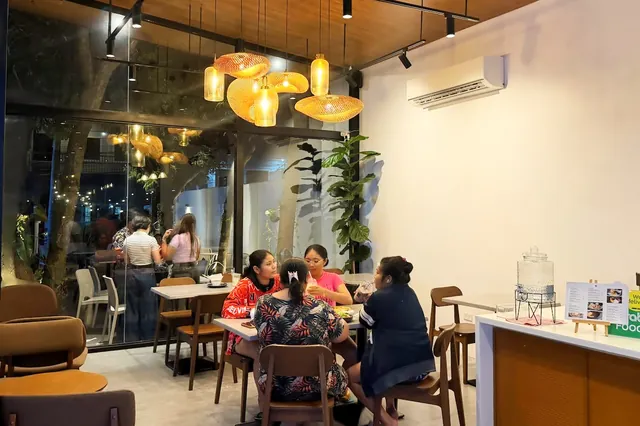
- Experience: with fast, cheap coffee everywhere, people choose a café for the space and the time they spend there. That’s the heart of Filipino café culture.
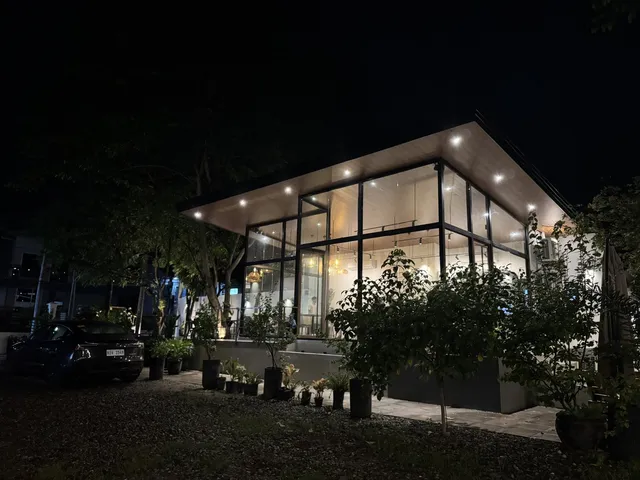
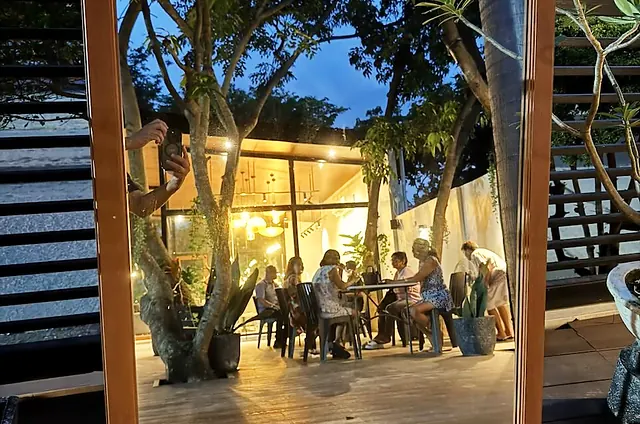
If you’re in Bulacan, come see how we do it: a glasshouse and garden café in Brgy. Frances, Calumpit, open daily from 11 AM to 11 PM. Directions and parking are on our Visit Big’s page.
How we put this together
We used only primary or official sources: monthly ICO market reports, the USDA’s July 2026 coffee outlook and production database, the World Bank’s October 2026 Commodity Markets Outlook, the BSP’s 2025 e-payments report, the US National Coffee Association’s 2026 data, World Coffee Research and the European Commission. Each figure links to its source where it appears. Philippine inflation figures and café counts were left out because we couldn’t confirm them at the source. We’ll update this guide each year.
FAQ
Will coffee prices go down in 2027?
Only slightly. The World Bank expects Arabica to average $7.20 per kg in 2027, about 2% below 2026 but still well above 2024. A strong El Niño could push prices back up.
Why did coffee get so expensive in 2024 and 2025?
Poor harvests in Brazil and Vietnam and low stocks pushed the ICO’s composite price to a record 354.32 US cents per pound in February 2025. Prices have eased as record harvests arrive.
How much coffee does the Philippines produce?
About 450,000 to 475,000 60-kg bags a year, roughly 7% of the 6.7 million bags Filipinos are expected to drink in 2026/27, according to USDA data. The rest is imported, mostly as instant coffee.
What are the biggest coffee shop trends for 2027?
Steadier but high bean prices, more iced and espresso-based drinks, cashless payments as the norm, more app ordering, and growing attention to climate and traceable sourcing.
Can I pay with GCash at Big’s Coffee?
Yes. Big’s Coffee accepts cash, GCash and credit cards.
Come taste it at Big's.
Glasshouse garden café in Brgy. Frances, Calumpit, Bulacan. Open daily, free parking, pets welcome.
Plan a visit